The Revolution of Containers: Why Docker is a Game-Changer for Developers
In the world of software development… consistency is the holy grail. How many times have we heard the phrase, “But it works on my machine!”? Docker was built to kill that sentence forever. As we scale our automation workflows and move toward more complex SaaS architectures… understanding Docker isn’t just a bonus… it’s a necessity.
What Exactly is Docker?
At its core… Docker is an open-source platform that automates the deployment of applications inside lightweight… portable containers.
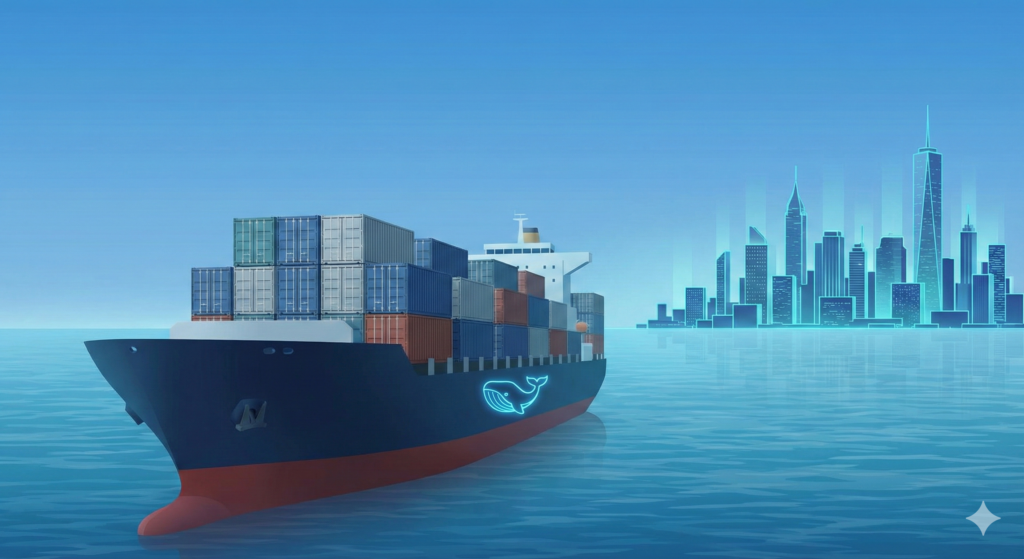
Think of a shipping container on a cargo ship. It doesn’t matter what’s inside (electronics… furniture… food)… and it doesn’t matter which ship carries it. The container is a standard size and can be moved anywhere seamlessly. Docker does this for code. It packages your application with everything it needs to run… including libraries… system tools… and settings… ensuring it runs the same way in every environment.
Why Should You Use Docker?
If you are building Python scripts… managing n8n workflows… or deploying your domain specific APIs… Docker offers several “Why” factors:
- Isolation: Each container runs in its own space. You can run one app requiring Python 3.8 and another requiring Python 3.12 on the same server without conflicts.
- Portability: You can build a container locally and deploy it to AWS… Google Cloud… or a local server in Kuwait without changing a single line of code.
- Efficiency: Unlike Virtual Machines (VMs)… containers share the host’s OS kernel. This makes them incredibly fast to start and light on RAM.
Key Benefits of Dockerization
- Rapid Deployment: Scale your services up or down in seconds.
- Version Control for Infrastructure: You can version your
Dockerfilejust like your code. - Environment Parity: Your development… staging… and production environments are identical.
- Security: Applications are isolated from each other and the host system.
Common Usage Patterns
- Microservices: Breaking down a large “monolith” app into smaller… manageable pieces that communicate with each other.
- CI/CD Pipelines: Automatically building and testing images whenever you push code to GitHub.
- Local Development: Setting up a complex database (like PostgreSQL or Redis) with a single command instead of a manual installation.
Best Docker Systems & Tools
To get the most out of Docker… you need the right ecosystem. Here are the top systems available today:
| System | Best For | Key Feature |
| Docker Desktop | Local Dev (Windows/Mac) | GUI interface and easy Kubernetes setup. |
| Docker Engine | Linux Servers | The raw… high-performance core of Docker. |
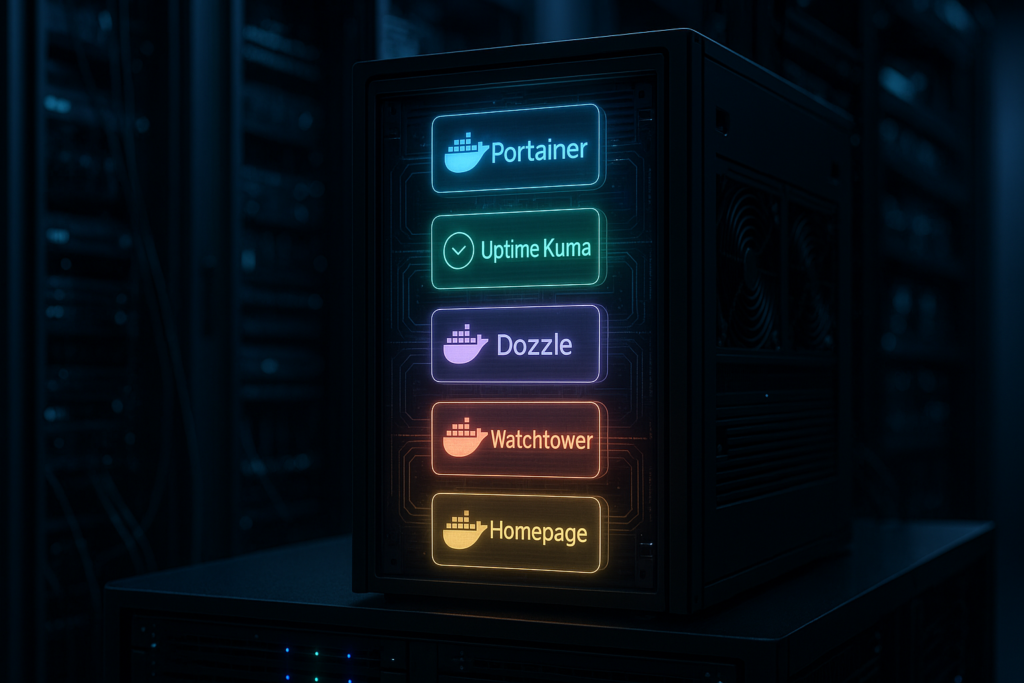
| Portainer | Management | A powerful web-based UI to manage containers visually. |
| Docker Hub | Storage | The “GitHub” for Docker images. |
Docker Tips & Tricks (The Pro List)
- Keep Images Small: Use “Alpine” versions of base images (e.g.,
python:3.11-alpine) to reduce disk space and speed up deployments. - Use
.dockerignore: Just like.gitignore… use this to prevent heavy files likenode_modulesor.envfrom bloating your image. - Multi-Stage Builds: Use one stage to compile your code and another to run it. This keeps the final production image clean and tiny.
- Clean Up Regularly: Use the command
docker system pruneto delete unused containers and images… reclaiming your storage.
A Simple Dockerfile Example (Python)
Dockerfile
# Use a lightweight Python image
FROM python:3.11-slim

# Set the working directory
WORKDIR /app

# Copy requirements and install
COPY requirements.txt .
RUN pip install --no-cache-dir -r requirements.txt

# Copy the rest of the code
COPY . .

# Run the script
CMD ["python", "main.py"]
Docker is the backbone of modern automation and SaaS delivery……containerization will save you hours of debugging. In case of any clarifications, suggestions , connect at jitu9968 at gmail dot com

At JituOnline dot in, he explores the intersection of cutting-edge technology and human lifestyle... whether it's decoding the latest AI models or reviewing the gadgets that define our era, his mission is to make the "limitless realm" of tech accessible to everyone... Join him as he uncovers how tomorrow’s automation elevates today’s living...
- Python’s Magic: How Few Lines of Code Replace Big Code Blocks in Other Languages - June 16, 2026
- Software Development Tools in 2026: What’s Hot, What’s Out - June 1, 2026
- Monthly Roundup of AI Tools in May 2026 - June 1, 2026