Key AI Trends Shaping Architecture in 2026
Deep Workflow Integration
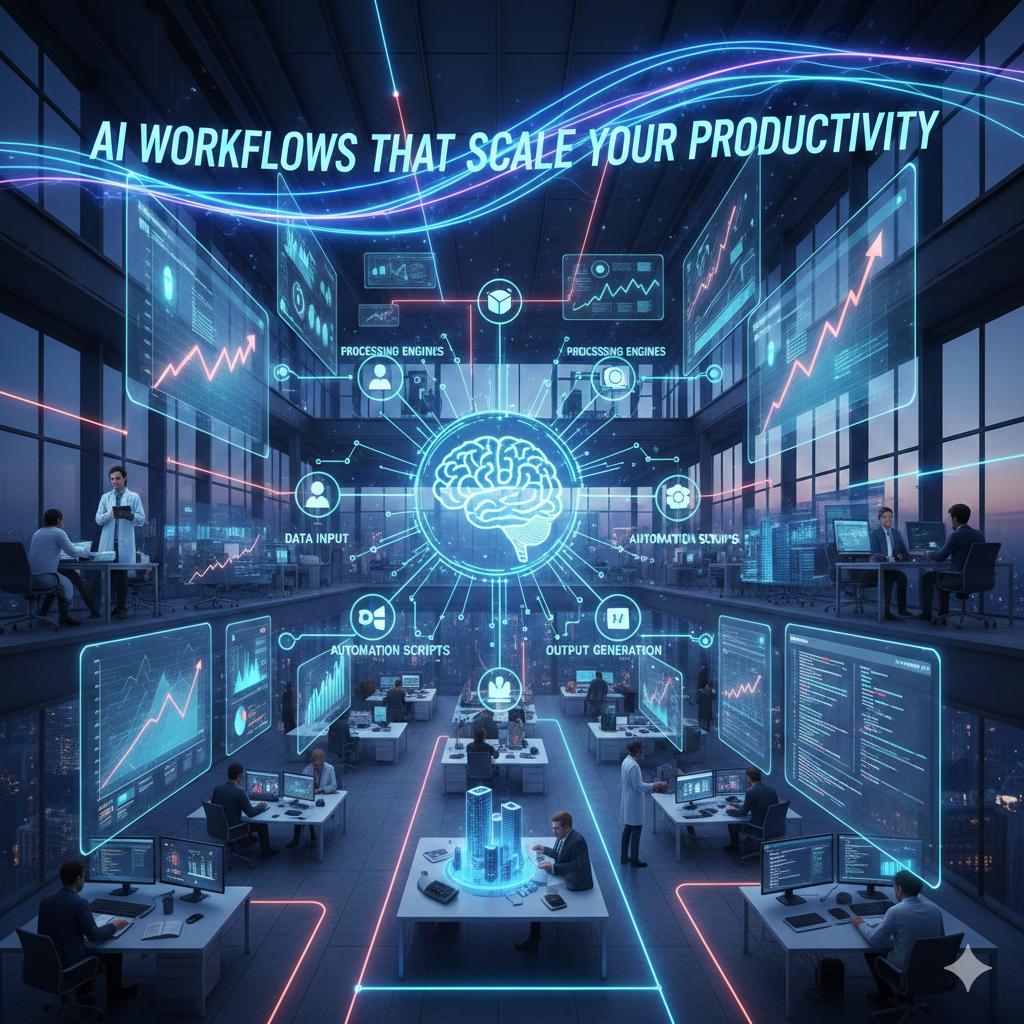
AI is no longer standalone; it’s automating model-based coordination, takeoffs, schedules, and progress analysis via image recognition and sensors. Virtual AI assistants act as project engineers, answering queries, tracking tasks, and detecting risks. “By 2026, AI agents will be more common and widely democratized… The client, the architect and the contractor will be able to generate and simulate several design alternatives with a single click.”
AI also bridges design-construction gaps, optimizes modular components for off-site manufacturing, and supports digital twins for ongoing facility management.
Optimization and Decision-Making
- Analyze historical data for risk mitigation, material costs, and supply chain insights.
- Automate BIM tasks like clash detection, Scan-to-BIM, and as-built documentation.
- Assess constructability, energy performance, and scheduling impacts in real-time.
Surveys show 86.2% of AEC professionals expect widespread AI adoption within 10 years, freeing architects for creative focus by handling repetitive data analysis and layout optimization.
Challenges and Adoption
Despite promise, only 27% of AEC firms currently use AI, citing data security (42%), costs (33%), and regulatory uncertainty (69%) as barriers. Early adopters like Bechtel use custom LLMs for rapid task prioritization, turning days of work into minutes.
Top AI Tools Transforming Architecture
Concept Generation and Exploration Tools
AI accelerates faster concept generation, design exploration, feasibility checks, zoning analysis, and space planning… essential for modern architects.
Terrain and Contextual Analysis
Tools integrate high-resolution terrain data, surrounding buildings, and road networks for microclimate studies, noise propagation, and energy predictions.
AI Agents and Assistants
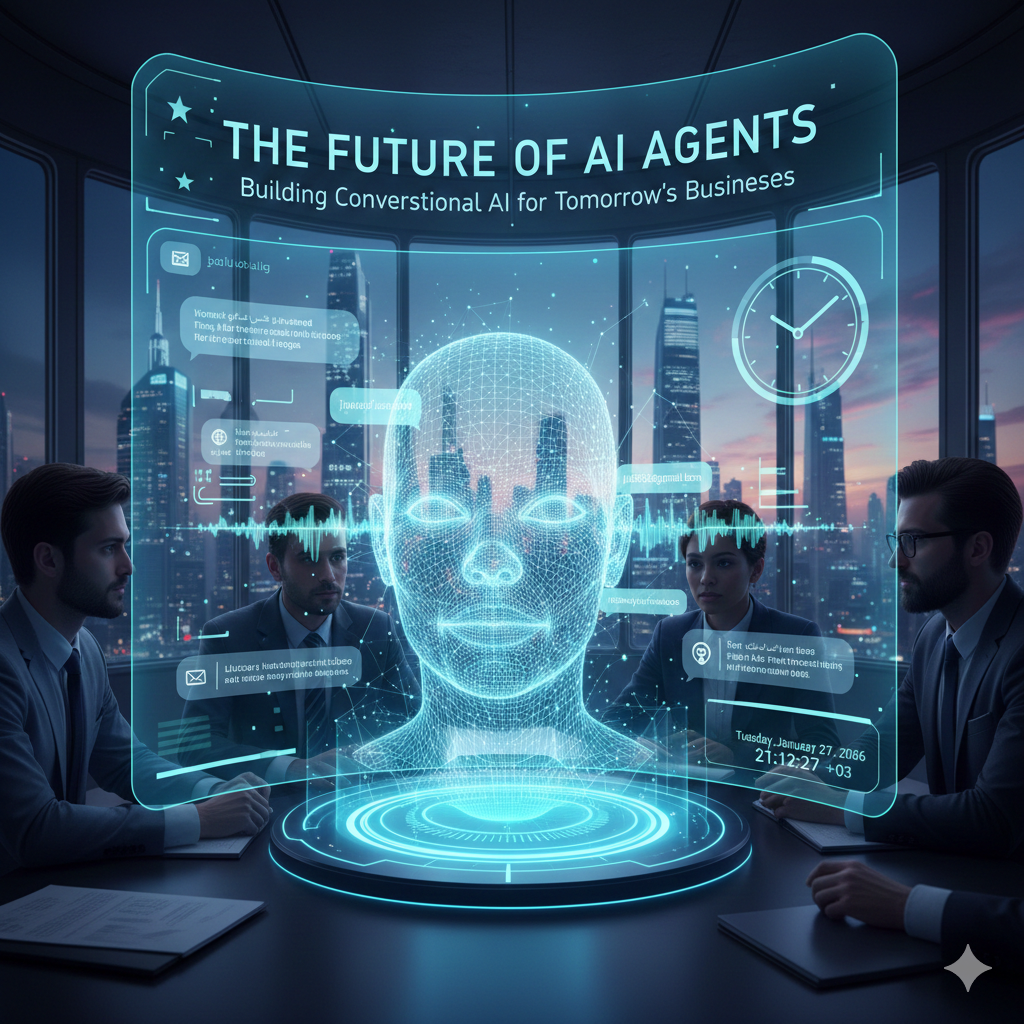
Emerging agent architectures enable scalable, flexible AI systems for operational workflows, with unified data access across hybrid environments. Additional tools from 2026 stacks include those for visualization, automated inspections, and security monitoring via computer vision.
Future Outlook
AI empowers architects as data-augmented decision-makers, reducing errors, enhancing sustainability, and scaling judgment without replacing human creativity. By standardizing libraries and industry protocols like MCP, AI will connect design tools to supply chains for smarter early decisions. Adoption will grow as standards mature, making AI indispensable for safer, more predictable projects across the AEC lifecycle.

At JituOnline dot in, he explores the intersection of cutting-edge technology and human lifestyle... whether it's decoding the latest AI models or reviewing the gadgets that define our era, his mission is to make the "limitless realm" of tech accessible to everyone... Join him as he uncovers how tomorrow’s automation elevates today’s living...
- Python’s Magic: How Few Lines of Code Replace Big Code Blocks in Other Languages - June 16, 2026
- Software Development Tools in 2026: What’s Hot, What’s Out - June 1, 2026
- Monthly Roundup of AI Tools in May 2026 - June 1, 2026