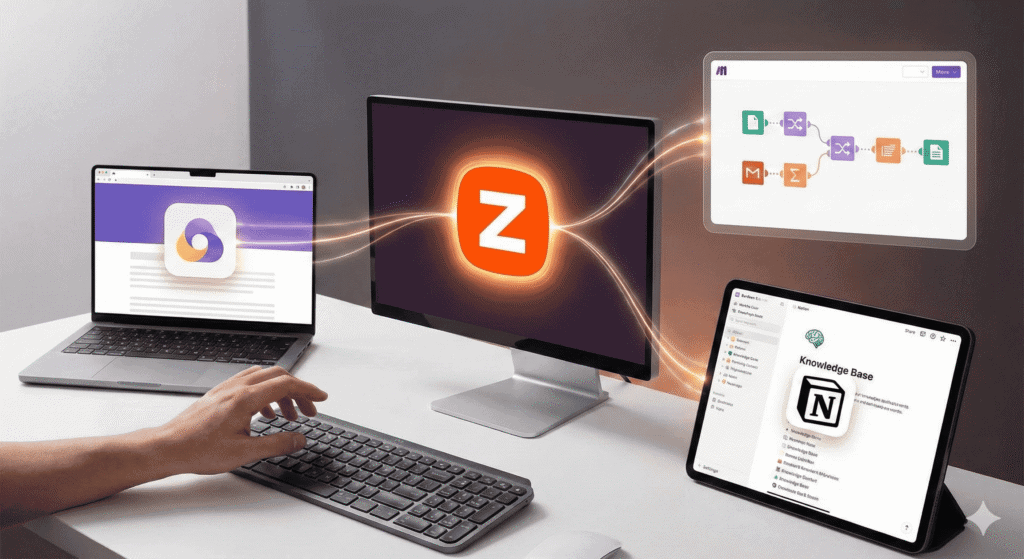
In the fast-paced world of 2026, the “Second Brain” concept has evolved from a simple filing system into a living, breathing cognitive engine. If you’ve ever felt overwhelmed by the sheer volume of digital information… the bookmarks, the 40-minute YouTube tutorials, the complex PDFs… then it’s time to move beyond static notes.
Today, we’re looking at how to use NotebookLM… Google’s AI-native research and writing assistant… to build a personal knowledge base that doesn’t just store info, but actually helps you think.
Why NotebookLM is the Ultimate Second Brain Tool
Unlike traditional note-taking apps that require manual tagging and organization, NotebookLM uses Source-Grounded AI. This means it only talks about the information you give it, eliminating the “hallucinations” common in other AI tools.
Key Benefits for Life Organization:
- Massive Ingestion: You can now upload up to 300 sources in the premium version… each up to 500,000 words… ranging from Google Docs to full YouTube transcripts.
- Interactive Audio Overviews: Turn your messy research into a podcast where you can actually “join the conversation” and ask questions mid-sentence.
- Visual Synthesis: Instantly generate Mind Maps, Data Tables, and Infographics to see the connections between your life projects.
How to Build Your 2026 Brain: A Practical 4-Step Guide
1. The “Everything” Notebook Strategy
The first step is moving away from scattered folders. Create a “Central Repository” notebook. Use the Hybrid Ingestion workflow to pull in:
- Transcripts from YouTube videos you want to learn from.
- Web URLs for articles and research.
- Google Drive folders for your personal documents.
2. Use “Deep Research” to Fill Knowledge Gaps
In 2026, NotebookLM isn’t just limited to your uploads. Use the Deep Research feature to search the web directly from your notebook. If your second brain is missing a specific piece of data… like the latest energy specs for a home project… the AI can fetch it and cite it instantly alongside your personal notes.
3. Transform Data into Action with the Studio Panel
Don’t let your notes sit idle. Open the Studio Panel on the right side of the screen to create:
- Data Tables: Compare qualitative text across multiple reviews (e.g., comparing three different 2026 smartphone models).
- Flashcards & Quizzes: Perfect for active recall if you’re learning a new skill or language.
- Slide Decks: Automatically turn research into a visual presentation for work or personal projects.
4. Humanize Your Learning with Interactive Audio
The “Deep Dive” podcast feature has been upgraded. Instead of just listening to two AI hosts talk about your sources, you can now click the “Join” button. If you don’t understand an analogy, just interrupt!

At JituOnline dot in, he explores the intersection of cutting-edge technology and human lifestyle... whether it's decoding the latest AI models or reviewing the gadgets that define our era, his mission is to make the "limitless realm" of tech accessible to everyone... Join him as he uncovers how tomorrow’s automation elevates today’s living...
- Python’s Magic: How Few Lines of Code Replace Big Code Blocks in Other Languages - June 16, 2026
- Software Development Tools in 2026: What’s Hot, What’s Out - June 1, 2026
- Monthly Roundup of AI Tools in May 2026 - June 1, 2026