We often talk about how fast AI is moving… but have you looked at your Python code lately?
If you are still writing scripts that just “do one thing and stop,” you might be falling behind. The biggest shift I have seen in early 2026 is the move toward “Agentic Workflows.”
It sounds fancy… but it is actually quite simple.
The Old Way
You write a script to scrape a website. It breaks. You fix it. You run it again. It is manual… it is tedious… and honestly, it is boring.
The New Way (The Agentic Way)
You write a script using the new MCP (Model Context Protocol) libraries. You tell the script: “Go find the latest AI news, and if the website is down, try these three other backups, then summarize it all and email me.”
And the script just… does it. It “thinks” a little bit on its own.
Why this matters for us
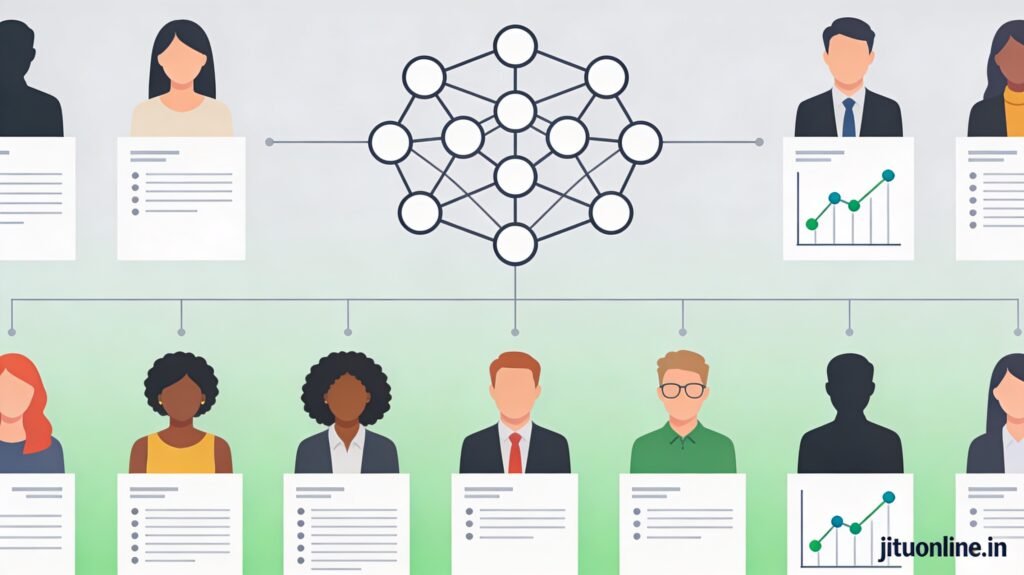
I have been experimenting with the MCP Python SDK this week, and it feels like the first time I learned to code. You are no longer writing recipes… you are building little digital employees.
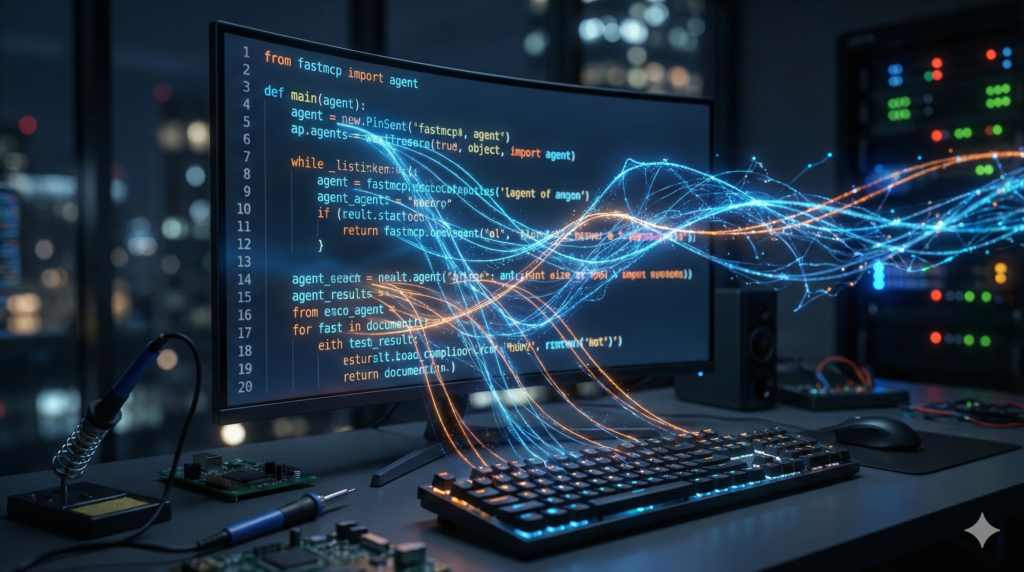
Here is a quick example of how simple the logic is becoming with tools like LangChain 0.4 or the new FastMCP:
from fastmcp import agent

# Define your "digital worker"
@agent
def research_assistant(topic):
    data = search_web(topic)
    summary = summarize_text(data)
    return summary

# run it
print(research_assistant("Latest AI Tools in Kuwait"))
It is clean. It is readable. And best of all… it connects your messy real-world data to the brilliance of models like Gemini or Claude.
My Takeaway
Don’t just use AI to write code for you. Use Python to build homes for your AI to live in. That is where the real magic happens.
If you are interested in a full breakdown of the Model Context Protocol, let me know in the comments… I might just build a “Gemini Gem” to teach it.

At JituOnline dot in, he explores the intersection of cutting-edge technology and human lifestyle... whether it's decoding the latest AI models or reviewing the gadgets that define our era, his mission is to make the "limitless realm" of tech accessible to everyone... Join him as he uncovers how tomorrow’s automation elevates today’s living...
- Python’s Magic: How Few Lines of Code Replace Big Code Blocks in Other Languages - June 16, 2026
- Software Development Tools in 2026: What’s Hot, What’s Out - June 1, 2026
- Monthly Roundup of AI Tools in May 2026 - June 1, 2026