Writing about the Google ecosystem is always a fun because they are essentially the “mad scientists” of the tech world… they build amazing things, forget they built them, and then build them again under a different name. Google is famous for its “moonshots,” but if you look closely at their product graveyard and current lineup, it’s a fascinating mix of genius and chaos. Here’s a breakdown of the three weirdest sides of the Google ecosystem:.
The Friendly Fire: Products Competing With Themselves
Google has a peculiar habit of launching two (or three) products that do almost exactly the same thing. It’s like they have different teams working in silos who don’t realize they’re building the same app.
- Meet vs. Duo (The Great Merger): For years, we had Duo for simple video calls and Meet for “serious” business. Then, Google decided to merge them, which involved turning Duo into Meet and keeping the old Meet as… well, also Meet.
- Tasks vs. Keep: Want to remember to buy milk? You could put it in Keep (which has reminders) or Tasks (which lives in your calendar). While they are finally migrating Keep reminders to Tasks in 2025-2026, the overlap has confused users for a decade.
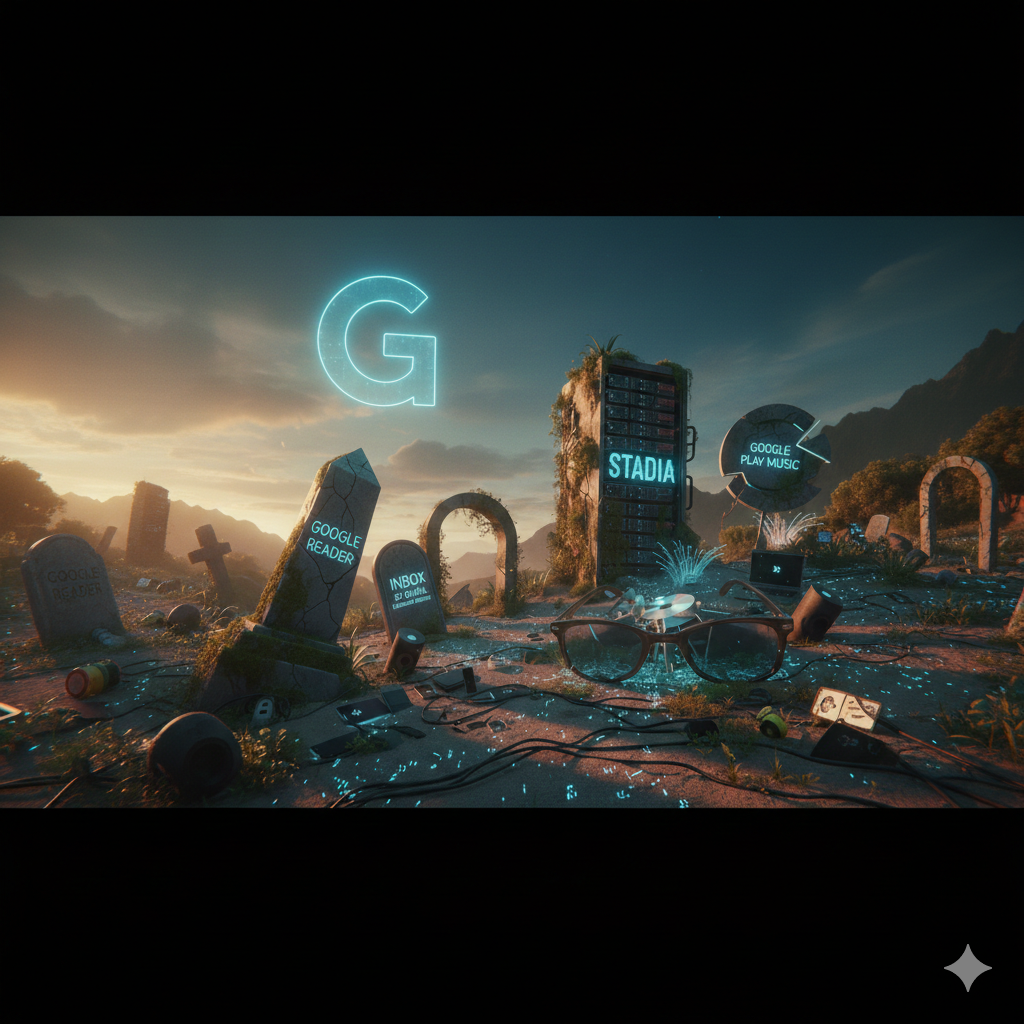
- YouTube Music vs. Google Play Music: They killed a perfectly functional, beloved music locker (Play Music) to force everyone into YouTube Music, which took years to reach the same level of utility.
The Legends We Lost: Gone But Not Forgotten
Some discontinued products didn’t fail because they were bad… they failed because Google shifted focus or simply “cleaned house.”
- Google Reader: Ask any tech veteran about this, and you’ll see a tear in their eye. It was the gold standard for RSS feeds. Its death in 2013 is still cited as the moment the “open web” started to decline.
- Inbox by Gmail: This wasn’t just an email app; it was a productivity masterpiece. It bundled trips, receipts, and tasks beautifully. Most features eventually moved to Gmail, but the soul of “Inbox” never truly made the jump.
- Picasa: Before Google Photos, we had Picasa. It was fast, efficient, and great for local photo management. It’s still missed by those who don’t want every single pixel of their lives stored in the cloud.
Impressive Products but…….
Then there are the products that were technically impressive but never found their “tribe.” They were either too ahead of their time or just plain awkward.
- Google Wave: It was supposed to replace email. It was a real-time, collaborative, live-typing monster of a platform. It was brilliant, but nobody knew how to use it, and the invites were harder to get than a golden ticket.
- Google Glass (Consumer Edition): We all remember the “Glass-hole” era. The tech was incredible, but the world wasn’t ready for people walking around with cameras on their faces. It found a second life in factories, but as a consumer product, it was a ghost.
- Stadia: Cloud gaming without a console. It worked beautifully, but Google’s “buy the game at full price” model and lack of exclusive titles meant gamers never really moved over. It was shut down despite having the best streaming tech in the industry.
The Bottom Line:
Google’s ecosystem is a living organism… it evolves, it eats its own, and it leaves a trail of “what ifs” behind. But that’s the price of being a company that isn’t afraid to fail. What are your views on this? Did you like any product which was discontinued…

At JituOnline dot in, he explores the intersection of cutting-edge technology and human lifestyle... whether it's decoding the latest AI models or reviewing the gadgets that define our era, his mission is to make the "limitless realm" of tech accessible to everyone... Join him as he uncovers how tomorrow’s automation elevates today’s living...
- Python’s Magic: How Few Lines of Code Replace Big Code Blocks in Other Languages - June 16, 2026
- Software Development Tools in 2026: What’s Hot, What’s Out - June 1, 2026
- Monthly Roundup of AI Tools in May 2026 - June 1, 2026