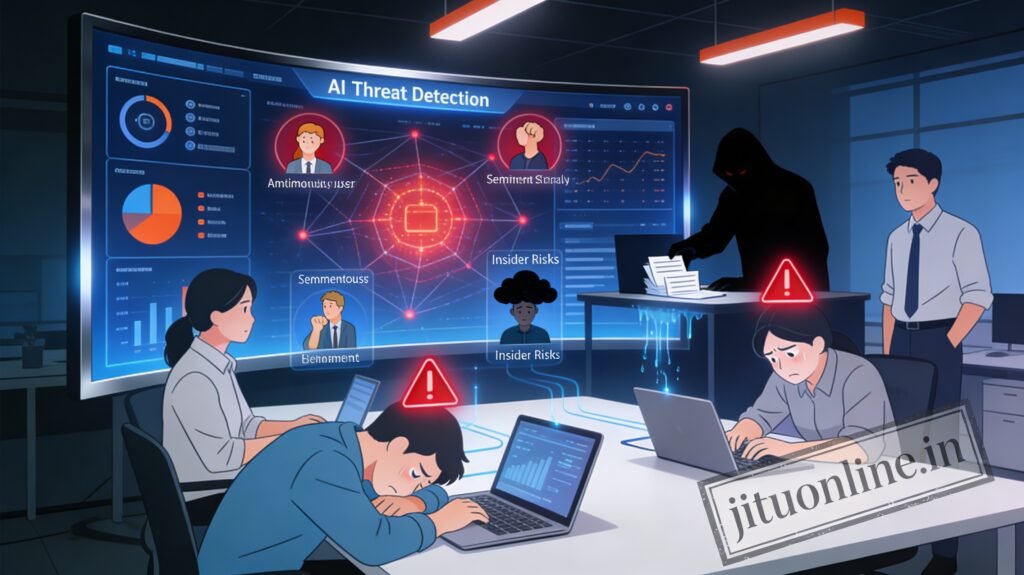
Disgruntled employees pose a significant insider threat to organizations, often leading to sabotage, data theft, or system disruptions due to their access privileges and technical skills. Effective detection relies on monitoring behavioral indicators, implementing access controls, and fostering a supportive workplace culture to mitigate risks before they escalate.
Why Disgruntled Employees Are a Major Risk
Employees become disgruntled due to unmet expectations, such as missed promotions, termination notices, performance issues, or benefit losses, leading to irrational actions like sabotage or theft. In the CERT Insider Threat database, 33 of over 1,000 incidents involved disgruntled insiders, with 70% categorized as sabotage… 85% motivated by revenge. Common outcomes include data deletion (13 cases), system access blocking (11 cases), and data copying (10 cases).
Real-World Examples:
- A terminated employee remotely deleted files, backups, and database records for four months using active credentials.
- An insider with personal issues and a poor review installed backdoors and changed passwords to block access for those involved in his termination.
- A network creator withheld passwords and rigged the system to fail resets, halting operations.
- A former Disney employee launched DoS attacks and hacked systems for revenge using insider knowledge.
Key Behavioral Indicators to Detect Threats
Organizations can spot risks early by watching for warning signs tied to organizational events. Use this table for quick reference:
| Employee/Contractor Behavioral Trait | Associated Organizational Event |
|---|---|
| Interest outside scope of duties | Layoff |
| Working unusual hours without authorization | Annual merit cycle … not promoted |
| Excessive negative commentary | Annual merit cycle … no raise |
| Drug or alcohol abuse | Performance improvement plans or harassment complaints |
Additional red flags include volatility, threats to colleagues, or complaints about security ignored by management, often leading to unauthorized data access or exfiltration.
Defense Strategies: Prevention and Detection
- Threat Assessment: Regularly evaluate employees under stress, with high privileges, or showing disgruntlement.
- Access Controls: Disable credentials immediately upon termination, change shared passwords, and limit admin privileges.
- Monitoring: Track unusual activities like off-hours access, data copying, or deletions; use tools to protect critical assets.
- Culture and Communication: Promote open reporting, provide layoff support, and engage psychologists for high-risk cases.
- Incident Response: Develop plans for containment, investigation, and training like phishing simulations.
- Employee Sensitivity: Address needs during restructurings to avoid creating grudges.
Proactive Measures Yield Results
Focusing monitoring on sabotage outcomes like data deletion or access blocking, combined with behavioral analysis, allows targeted defenses without overburdening teams. Insider threats often take 85 days to detect, underscoring the need for vigilance. By balancing empathy with security, organizations can reduce these internal risks significantly.
By Jitendra Chaudhary

At JituOnline dot in, he explores the intersection of cutting-edge technology and human lifestyle... whether it's decoding the latest AI models or reviewing the gadgets that define our era, his mission is to make the "limitless realm" of tech accessible to everyone... Join him as he uncovers how tomorrow’s automation elevates today’s living...
- The Build vs. Buy Dilemma: A Modern Framework for Smarter Decisions - March 28, 2026
- Microsoft Planner for Small Consulting Firms IT Compliance AI Projects - March 26, 2026
- AI for CEOs: Strategy, Culture, and Value Creation - March 25, 2026